
Lorem ipsum dolor sit amet, consectetur adipiscing elit, sed do eiusmod tempor incididunt ut labore et dolore magna aliqua.
Contact Us
- +321 045 9876
- example@gmail.com
- 1541 Oakwood Dr Modesto, California(CA), 95350
Lorem ipsum dolor sit amet, consectetur adipiscing elit, sed do eiusmod tempor incididunt ut labore et dolore magna aliqua.
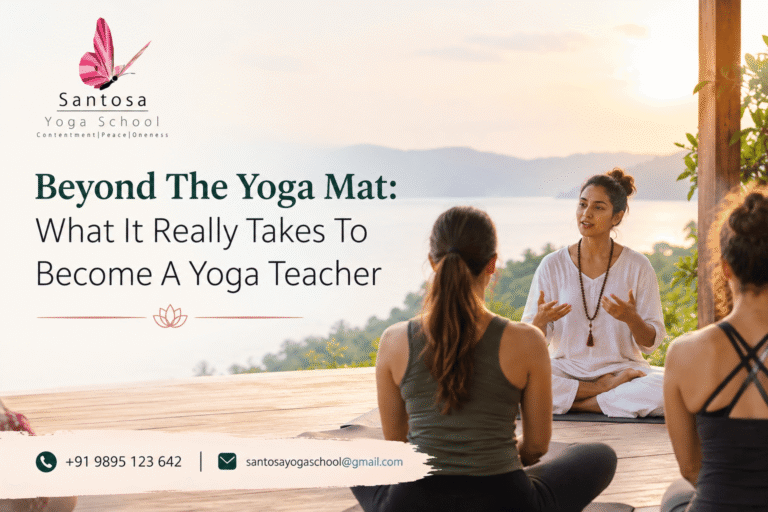
For many people, the idea of becoming a yoga teacher begins with a love for movement, an interest in meditation, or a desire to share something meaningful with others. Regular practice may bring the thought of teaching closer, but knowing yoga poses and guiding a class are two different skills.
Becoming a yoga teacher involves learning how to understand the practice, communicate clearly, recognise individual needs, and take responsibility for the people who follow your instructions. The work begins long before you lead your first class.
Understanding Yoga Beyond Physical Postures
Asanas are an important part of yoga, but teaching requires a broader understanding of the practice. Breathwork, meditation, philosophy, and the principles that guide yogic living all contribute to a teacher’s knowledge.
Understanding these aspects helps teachers explain the purpose of a practice rather than simply demonstrating movements. It also allows them to introduce yoga in a way that connects with students who have different interests, abilities, and levels of experience.
A teacher does not need to know everything from the beginning. However, a willingness to study, ask questions, and continue learning is essential.
Learning To Observe Before Instructing
Two people can perform the same posture and experience it very differently. Differences in mobility, strength, balance, physical proportions, and previous experience can influence how a movement feels.
This is why effective yoga teaching involves observation rather than expecting everyone to achieve an identical shape. A teacher must learn when to offer a simpler variation, suggest the use of a prop, or remind a student not to push beyond their comfortable limits.
Knowledge of anatomy and movement provides a useful foundation for these decisions. It also helps teachers recognise when a student’s concern requires guidance from a qualified healthcare professional rather than a yoga adjustment.
Developing The Art Of Teaching
Being able to perform a challenging posture does not automatically make someone an effective instructor. Teaching requires the ability to break down movements into understandable instructions, plan a suitable sequence, manage class timing, and explain transitions between poses.
Communication matters just as much as technical knowledge. Instructions should be clear enough for students to follow without feeling overwhelmed. Demonstrations should serve a purpose, while verbal cues should help students understand what they are doing and why.
Practice teaching is an important part of developing these abilities. Guiding fellow trainees, receiving feedback, and learning from mistakes can gradually build the confidence needed to lead a class independently.
Respecting Every Student’s Individual Needs
A yoga class may include people with different goals, physical capabilities, ages, and learning preferences. Some may be completely new to yoga, while others may have practised for years.
A responsible teacher understands that one approach will not work for everyone. They avoid comparing students, respect personal boundaries, and offer alternatives where appropriate. Physical adjustments should always involve clear consent.
Equally important is recognising the limits of the teacher’s role. Yoga instructors can guide yoga practice, but they should not make medical diagnoses or promise that yoga will cure particular conditions.
These professional responsibilities help establish trust and encourage students to participate at a level that suits them.
Bringing Yogic Principles Into Everyday Life
Yoga philosophy offers ideas that can be explored beyond a classroom. Patience, self discipline, non violence, and contentment are among the principles that encourage reflection on everyday choices.
For a teacher, these ideas are not merely topics to explain during a session. They provide opportunities to examine personal behaviour, communication, and professional conduct.
Living according to yogic principles does not mean being perfect or never experiencing frustration. It means remaining willing to reflect, learn, and make more considered choices over time.
Choosing The Right Yoga Teacher Training
A suitable yoga teacher training programme should offer more than opportunities to practise postures. Prospective students should examine the curriculum, the experience of the instructors, the teaching practice included, and the attention given to anatomy, philosophy, breathwork, and meditation.
A 200 hour yoga teacher training course can provide a foundation for those beginning their teaching education. Students should also consider the learning environment, the course requirements, and whether the programme aligns with their long term goals.
At Santosa Yoga School in Varkala, Kerala, aspiring teachers can explore yoga education in a setting connected with India’s long standing yoga traditions. Taking time to understand the available training programmes can help students choose an option that suits their interests and aspirations.
Becoming A Teacher Is An Ongoing Learning Process
Completing a training course is an important milestone, but it does not mark the end of learning. Teaching experience, further study, feedback, and personal practice all contribute to professional development.
The real value of becoming a yoga teacher lies in learning how to share the practice with knowledge, care, and responsibility. Beyond the postures is the ability to guide others while remaining a student yourself.
If you are considering yoga teacher training, begin by looking beyond the certificate. Explore what you will learn, how you will practise teaching, and the kind of instructor you hope to become. These questions can help you take a more informed first step towards teaching yoga.